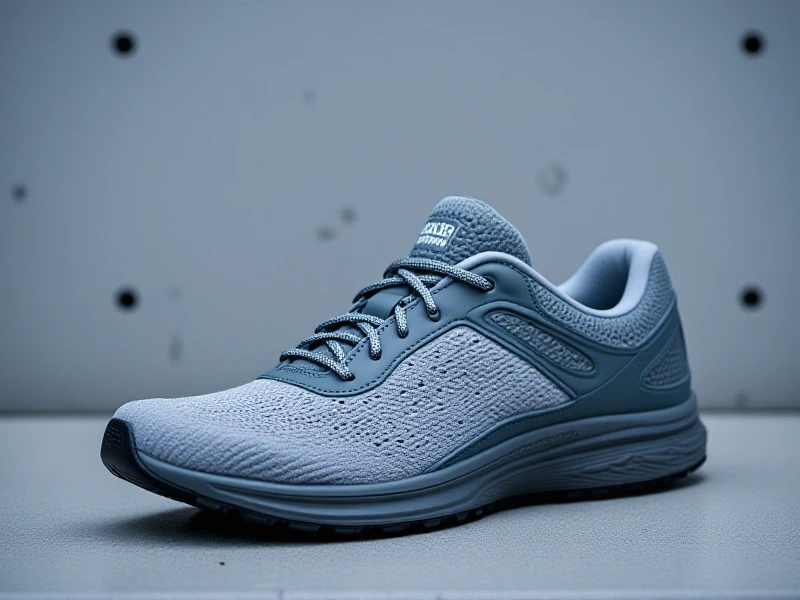
Finding Your Perfect Match: The Ultimate Guide to Performance Running Shoes
Imagine effortlessly gliding down the pavement, completely in sync with your stride. The right pair of running shoes isn't just footwear; it's your essential partner for performance, comfort, and injury prevention. Choosing wisely among the vast selection of running shoes on the market is paramount for every dedicated runner hitting the track or trail.
High-performance running shoes integrate cutting-edge technologies tailored to distinct running styles and biomechanics. Let's unpack the key features:
- Cushioning Systems: The core foundation. Premium midsoles utilize responsive foams like Nike's ZoomX or Brooks DNA LOFT, absorbing impact and returning energy. The latest innovations, such as ASICS FF BLAST ECO, offer enhanced bounce while keeping weight ultra-light. Strike a balance – maximal cushioning protects joints on long runs, while minimalist options promote ground feel for speedwork.
- Stability & Support: Crucial for pronation management. Brands like Brooks (Adrenaline GTS) and Saucony (Guide) integrate medial posts or guide rails. Neutral runners benefit from structured yet flexible options like the widely beloved New Balance Fresh Foam 1080 series. Knowing your gait (neutral, overpronation, supination) is non-negotiable.
- Outsoles & Traction: Where rubber meets the road – literally. Durable carbon rubber heels endure pavement pounding, while strategically placed sticky rubber provides confident grip. For trails, deeper, aggressive lugs handle mud, rocks, and unpredictable terrain found in trail running shoes.
- Fit & Breathability: A secure, comfortable fit prevents blisters and hot spots. Modern engineered mesh uppers offer targeted breathability and adaptive support. Ensure a thumb's width space at the toe and a snug, not tight, midfoot hold. Trying running shoes later in the day when feet are slightly swollen replicates real running conditions.
Consider your primary mileage and terrain. Are you a dedicated distance runner craving marathon comfort, or a sprinter focused on track spikes? Casual joggers might prioritize everyday comfort, whereas trail enthusiasts demand rugged protection.
Don't forget the lifecycle! Even top-tier running shoes wear down. Regularly track mileage and plan replacements ideally between 300-500 miles. Worn cushioning compromises protection and increases injury risk significantly. Jen W., an avid marathoner, shares: "I learned the hard way; ignoring that mileage counter cost me weeks off training."
Finding your ideal running shoes elevates every step. Invest time researching features, visiting reputable running stores for gait analysis, and prioritizing fit above trends. Your feet, knees, and personal bests will repay you handsomely. Lace up, get fitted, and unleash your best run. Ready to find your stride? Start searching.