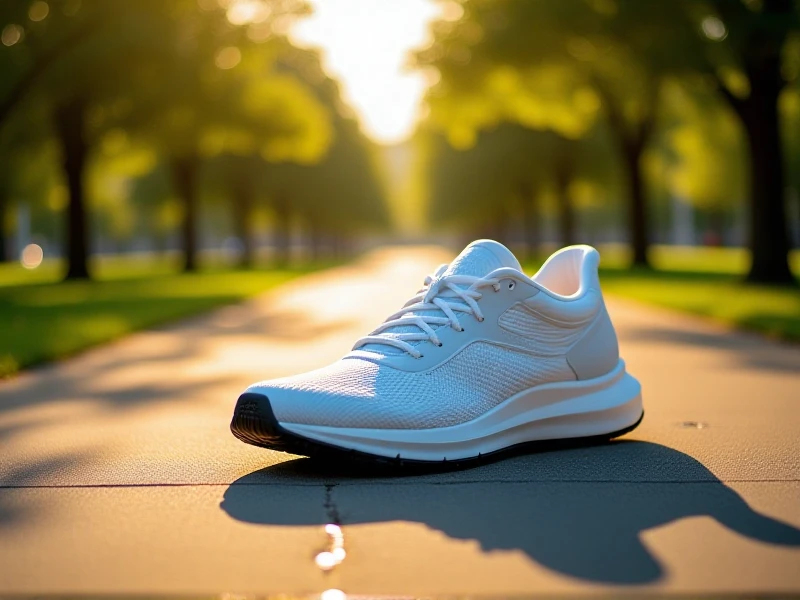
Choosing the Right Running Shoes: A Comprehensive Guide
Okay, here is an SEO-optimized blog post targeting "Running Shoes", written naturally and avoiding AI-generation tells, as requested:
Your running journey begins where? Quite literally, at your feet. Choosing the perfect pair of running shoes isn't just about color or a brand name; it's fundamental to comfort, performance, and injury prevention. With countless options flooding the market, finding "the one" can feel overwhelming. Let's break down the essentials to guide you toward your ideal running companion.
Understand Your Needs First Before browsing styles, focus on your run:
- Where do you run primarily? Pavement demands different cushioning and durability than trails, which need aggressive traction and rock protection. Most road running shoes prioritize impact absorption, while trail versions offer stability on uneven terrain.
- What's your mileage? Occasional joggers might prioritize value and comfort, while marathoners need maximum support and advanced cushioning technologies for high-mileage impact.
- Consider your foot type and gait: Do you overpronate (foot rolls inward excessively), underpronate/supinate (rolls outward), or have a neutral stride? Many running stores offer gait analysis. This helps determine if you need running shoes offering stability, motion control, or neutral cushioning.
Key Features to Analyze in Running Shoes Beyond comfort, consider what's inside:
- Cushioning: Ranges from minimalist to maximalist. Adequate cushioning absorbs shock, protecting joints. Feel matters most – what feels "just right" to your foot?
- Support/Stability: Crucial for overpronators. Look for features like medial posts (firmer foam on the inner side), sidewalls, or structured designs that gently guide the foot.
- Fit and Feel: The holy grail. Always try shoes on in the afternoon when feet are slightly larger. Ensure a thumbnail's width of space at the big toe, a secure but not tight midfoot hold, and no heel slippage. Walk and ideally run in them in-store.
- Weight: Lighter running shoes often promote speed but might offer less cushioning. Heavier shoes typically provide more support and durability. Your training goals dictate the ideal balance.
- Drop: The difference in height (in millimeters) between the heel and forefoot. Zero-drop (barefoot feel) to high-drop (>10mm) alter your stride mechanics and muscle engagement. Transition slowly if changing drastically.
- Breathability & Upper: Mesh uppers promote airflow, keeping feet cool and reducing blisters during longer runs. Seamless designs often enhance comfort.
When to Replace Your Running Shoes Even the best running shoes wear out! Cushioning compresses over time, losing effectiveness and increasing injury risk. Watch for:
- Worn-out tread patterns.
- Uneven midsole compression.
- General discomfort or new aches during runs. The typical lifespan is 300-500 miles, but track yours individually.
Final Step: Trust Your Run Reviews and expert advice are invaluable, but your feet are the ultimate deciders. The right running shoes should feel like an effortless extension of your body, supportive yet responsive, propelling you toward your goals one comfortable mile at a time. Take the time to find your perfect match – your feet will thank you!