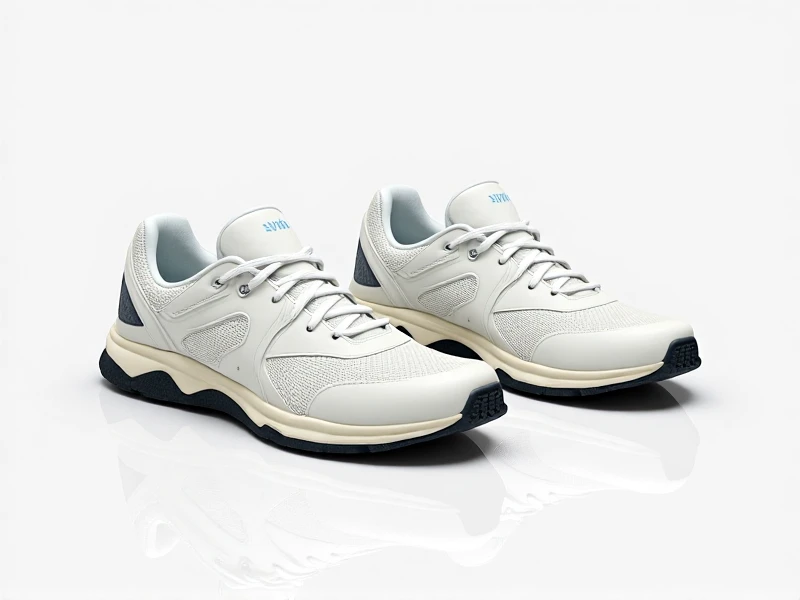
Your Expert Guide to Choosing Perfect Running Shoes
Running is a fantastic way to stay fit, clear your mind, and explore the outdoors—but to enjoy it safely and effectively, you need the right pair of running shoes. Whether you're a beginner tackling your first 5k or a seasoned marathon runner, selecting high-quality running shoes can make all the difference in comfort, performance, and injury prevention. This guide dives into everything you'll need to know about running shoes, helping you make an informed choice for your next run.
Why Running Shoes Matter
Investing in dedicated running shoes isn't just about style—it's essential for your health. Unlike regular sneakers, running shoes are designed with cushioning, support, and flexibility to absorb impact, reducing stress on joints like knees and hips. This can lower your risk of common injuries such as shin splints or plantar fasciitis. For instance, many models feature responsive midsoles that provide energy return, helping you run faster and farther with less fatigue. Plus, modern running shoes often incorporate breathable materials that wick away sweat, ensuring a comfortable experience in all weather conditions.
Types of Running Shoes to Consider
With so many options available, it's crucial to match your pair to your specific needs. Road running shoes are all-purpose favorites, offering reliable traction and cushioning for pavement and treadmills. If you venturing off-road, trail running shoes provide extra grip and durability for rugged terrains like dirt paths or rocky trails. Stability running shoes are ideal for runners with overpronation (where feet roll inward), as they include reinforced arches to aid alignment. For a minimalist feel, lightweight racing flats prioritize speed but may sacrifice some cushioning—perfect for short, intense sessions.
How to Choose the Right Pair
Finding the perfect running shoes starts with understanding your body and running habits. First, assess your foot arch: flat or low arches often benefit from stability shoes, while neutral arches do well with cushion-heavy models. Next, consider your typical running surface and mileage—long-distance runners might prioritize extra padding, while sprinters could opt for lighter designs. When shopping, visit a specialty store where experts can perform a gait analysis; this involves walking or jogging to evaluate your stride and recommend the best fit. Finally, remember to test them out: walk or jog a few steps to ensure ample toe room, secure heel hold, and no pinching.
Maintaining your running shoes extends their lifespan—clean them with mild soap and water if muddy, and rotate pairs if you run frequently to let cushioning recover. Aim to replace shoes every 300-500 miles, as worn-out materials lose effectiveness. By choosing and caring for quality running shoes, you'll enhance every run, making each step safer and more satisfying. Ready to find your ideal pair? Explore our curated range of top-rated running shoes for a personalized fit.