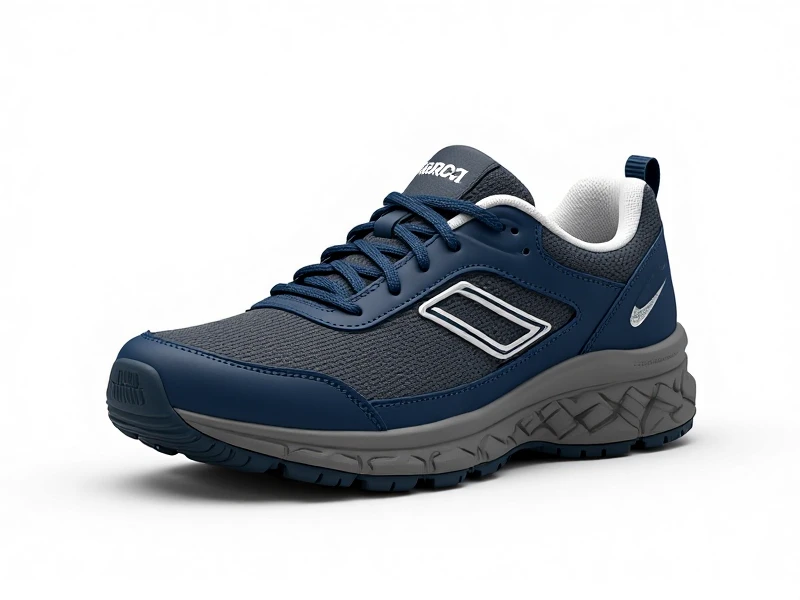
Your Perfect Stride: The Ultimate Guide to Running Shoes
Finding the right running shoes transforms your training from a chore into a soaring experience. Whether you're clocking miles on pavement or trails, proper footwear prevents injuries, enhances comfort, and boosts performance. Here's what makes running shoes your most crucial gear investment.
Running shoes feature specialized designs for different terrains and running styles. Road running shoes prioritize cushioning to absorb asphalt impact, while flexible soles ensure smooth heel-to-toe transitions. Trail running shoes add aggressive treads and rock plates to conquer muddy paths safely. Lightweight racing shoes shave precious seconds off your pace, yet still offer essential support.
When shopping for running shoes, consider three non-negotiables:
- Arch Support: Identify your foot type—neutral, overpronated, or high-arched—and match stability features accordingly. Brands like Brooks and ASICS offer targeted models for each biomechanical need.
- Cushion Level: From minimalist to maximalist cushioning systems like Nike React foam or Hoka's marshmallow midsole, your ideal padding depends on personal comfort and injury history.
- Proper Fit: Always measure feet later in the day and wear running socks during fitting. Your longest toe needs a thumbnail's space at the toe box while the heel locks securely without slippage.
Modern innovations extend shoe lifespan without sacrificing feel. Seamless uppers (like Adidas Primeknit) eliminate chafing, while sustainable options using recycled materials grow increasingly durable. Remember to rotate between two pairs to prolong midsole resilience.
Ultimately, the best running shoes align with your body's mechanics, workout intensity, and terrain. Ignore fleeting trends—your feet deserve personalized performance. Visit specialty running stores for gait analysis or try risk-free trials from retailers offering extended test periods. Lace up smart, and let every step propel you further.