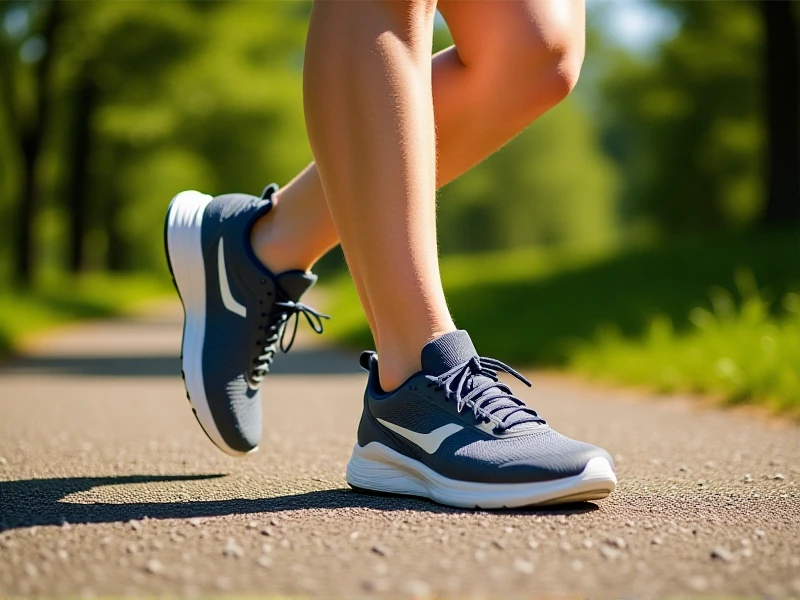
How to Find Your Best Running Shoes: A Runner's Guide
Navigating the endless sea of running shoes on shelves? Finding your perfect pair can feel overwhelming, but it's the most crucial investment in your running journey. The right footwear prevents injuries, boosts performance, and transforms every run from a chore into pure joy. Let's break down what truly matters.
Cushioning & Support: Your Feet's Foundation Cushioning levels range from ultra-plush ("maximal") to barely-there ("minimalist"). Plentiful cushion absorbs impact for longer distances or road running, while minimalist shoes promote a more natural stride—ideal for seasoned runners. Equally vital is support. Understand your foot's natural motion: neutral pronation requires balanced cushioning, overpronation benefits from structured stability features, and severe cases may need motion control shoes. Visiting a specialty run shop for a gait analysis provides invaluable insight into your specific needs.
Fit: Where Comfort Meets Performance Never underestimate the importance of fit—it’s non-negotiable for avoiding blisters, black toenails, and discomfort. Key measurements:
- Length: Your longest toe needs a thumbnail's width (approx. 1/2 inch) ahead of the shoe's end.
- Width: Feet swell during running; ensure no pinching. Look for models offering various widths.
- Heel & Midfoot: Secure heel lockdown prevents slippage. The midfoot should feel gently held without constriction. Always try shoes on in the late afternoon when feet are largest, and wear performance running socks.
Terrain Matters: Match Your Surface Your running environment dictates your shoe's needs:
- Road Running Shoes: Prioritize flexible cushioning for pavement and smoother trails. Lightweight construction enhances speed.
- Trail Running Shoes: Essential for rugged terrain. Look for aggressive lugs (tread) for superior grip, robust toe guards against rocks and roots, and enhanced durability. Added stability counters uneven surfaces.
- Cross-Training/Hybrid: Versatile options for mixed gym/running routines offer lateral support.
Materials & Breathability Upper fabrics are critical. Modern engineered mesh offers outstanding breathability and lightweight structure. Look for seamless construction or strategic overlays that minimize hotspots. Supportive, comfortable tongues and padded collars enhance lock-in without irritation.
Listen to Your Feet (and The Mileage) Running shoes don't last indefinitely. Replacing them every 300-500 miles (or sooner if showing uneven wear or lacking cushioning bounce) is essential for sustained injury prevention and performance. Pay attention to persistent aches – they often signal worn-out footwear.
Finding your ideal running shoes empowers every stride. Prioritize proper fit, understand your gait and terrain, and don't hesitate to seek expert advice at dedicated run stores. Invest in the foundation of your run – your feet will thank you mile after rewarding mile.